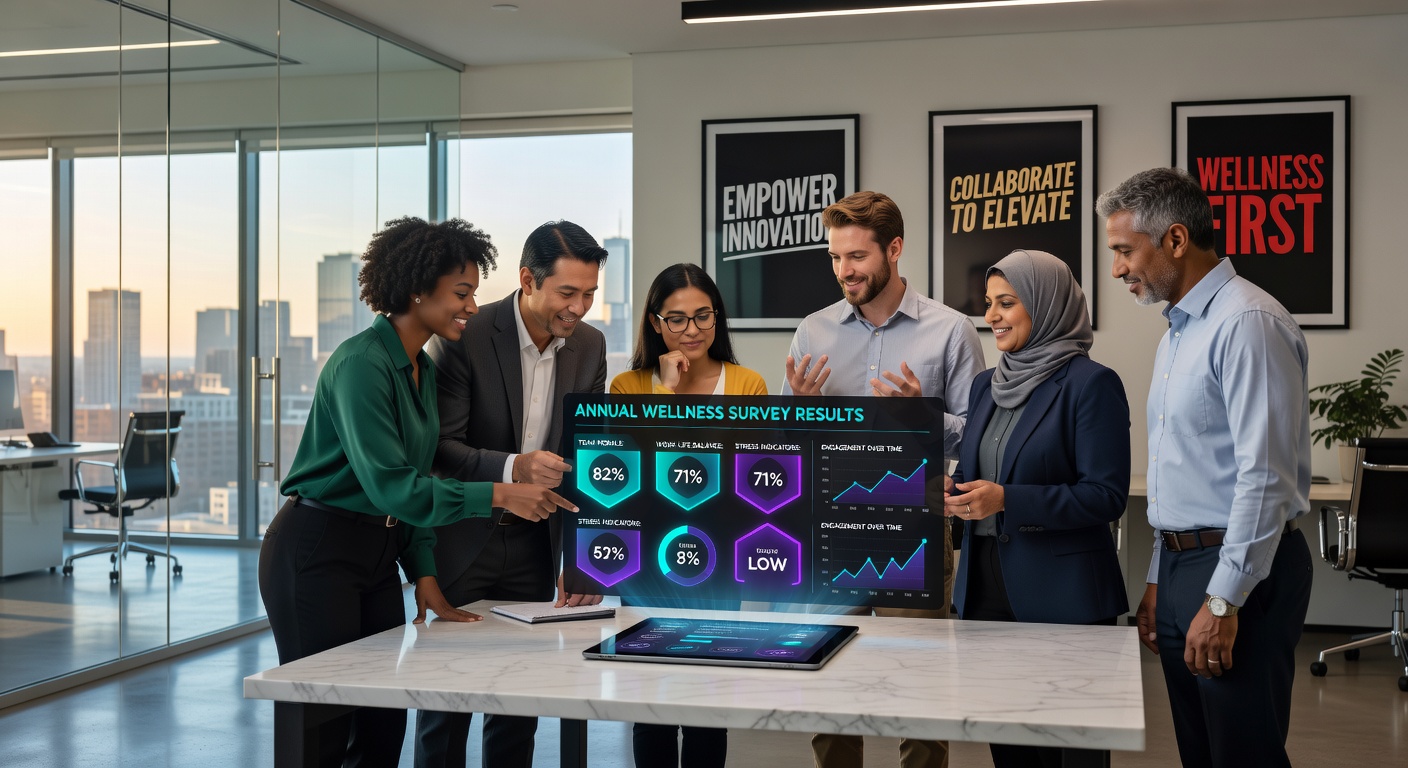
Employee Wellness Survey Questions: Key Categories & Samples
Discover essential employee wellness survey questions for physical, mental, and work-life balance. Boost engagement and productivity with actionable insights—st
Ready to Launch Your Free Survey?
Create a modern, high-conversion survey flow with Spaceforms. One-question-per-page, beautiful themes, and instant insights.
Why Employee Wellness Surveys Matter
Employee wellness survey questions help organizations understand the physical, mental, and emotional health of their workforce. When employees feel supported in their well-being, they're more engaged, productive, and likely to stay with your company long-term. According to Gallup research, organizations with thriving employees see higher profitability and lower absenteeism.
Benefits for Organizations and Employees
Wellness surveys create a two-way dialogue that benefits everyone. Employees gain a voice in shaping health programs that matter to them, while organizations identify gaps in support systems before they become retention issues. Regular feedback helps HR teams allocate resources effectively and demonstrate genuine care for staff well-being.
Common Challenges in Implementation
Many organizations struggle with low survey participation due to privacy concerns or survey fatigue. Employees may worry about anonymity or fear no action will follow their feedback. Keeping surveys concise and clearly communicating how responses drive change can overcome these barriers.
Core Categories of Wellness Survey Questions
Effective employee wellness survey questions cover four key dimensions of health. Each category reveals different insights about your workforce's needs and helps you build comprehensive wellness programs.
Physical Health and Fitness
These questions assess exercise habits, chronic health conditions, and access to preventive care. Understanding physical health patterns helps organizations design fitness challenges, ergonomic improvements, or gym membership benefits.
Mental and Emotional Well-Being
Mental health questions explore stress levels, burnout symptoms, and emotional support needs. The World Health Organization emphasizes that workplace mental health directly impacts productivity and absenteeism.
Work-Life Balance
Balance questions examine workload management, flexibility options, and time for personal responsibilities. These insights help identify whether employees can maintain healthy boundaries between work and personal life.
Nutrition and Lifestyle
Lifestyle questions cover eating habits, sleep quality, and substance use. This data can inform cafeteria offerings, break room snacks, or wellness education programs.
Sample Questions for Each Category
Physical Health Examples
- How many days per week do you engage in physical activity for at least 30 minutes?
- Do you have access to the healthcare services you need?
- Does your workspace setup support comfortable, pain-free work?
- Are you satisfied with available wellness benefits (gym memberships, health screenings)?
Mental Health Examples
- How often do you feel stressed or overwhelmed at work?
- Do you have access to mental health resources when needed?
- Rate your ability to disconnect from work during off hours
- Do you feel comfortable discussing mental health concerns with management?
Work-Life Balance Examples
- Can you complete your work within scheduled hours?
- Does your schedule allow time for personal commitments?
- Are flexible work arrangements available when needed?
- How satisfied are you with your current work-life balance?
Nutrition Examples
- Do you have time for healthy meals during the workday?
- Are nutritious food options available at work?
- How many hours of quality sleep do you average per night?
- Would nutrition education or resources benefit you?
Best Practices for Creating and Deploying Surveys
Ensuring Anonymity and Engagement
Guarantee complete anonymity to encourage honest responses. Use tools that don't track identifying information and keep surveys under 15 questions to avoid fatigue. A free form builder like SpaceForms lets you create mobile-friendly, anonymous surveys in minutes without technical skills.
Quick Tip
Use rating scales (1-5 or 1-10) for most questions rather than open-ended responses. This makes analysis easier while still capturing meaningful data. Include one optional comment field at the end for additional feedback.
Analyzing Responses Effectively
Look for patterns across demographics and departments rather than individual responses. Identify your top three concern areas and prioritize those for action planning. Share aggregate results transparently with your team to build trust.
Integrating with Modern Form Tools
Modern survey platforms offer drag-and-drop builders, mobile optimization, and unlimited responses without cost barriers. SpaceForms provides free unlimited responses, making it ideal for organizations of any size to conduct regular wellness checks without budget constraints.
Measuring Impact and Following Up
Tracking Improvements Over Time
Conduct wellness surveys quarterly or biannually to measure trends. Compare results across time periods to assess whether wellness initiatives are working. Track key metrics like stress levels, satisfaction with wellness programs, and work-life balance ratings.
Actionable Next Steps
Survey data means nothing without action. Within two weeks of closing your survey, communicate findings and specific steps you'll take. Even small changes like adjusted meeting schedules or new break room amenities show employees their feedback matters. Schedule follow-up surveys to measure whether changes improved well-being outcomes.
Frequently Asked Questions
How many questions should an employee wellness survey include?
Aim for 10-15 questions to balance comprehensive data with completion rates. Longer surveys suffer from abandonment and lower quality responses. Focus on the most critical wellness dimensions for your organization and rotate deeper dives into specific topics across multiple survey cycles.
What makes a good employee wellness survey question?
Good wellness questions are specific, neutral, and actionable. Avoid leading language that suggests a "correct" answer. Use clear timeframes like "in the past month" rather than vague terms. Questions should directly connect to programs or policies you can actually influence.
How often should companies conduct wellness surveys?
Quarterly surveys work well for most organizations, providing regular pulse checks without overwhelming employees. Annual surveys risk missing emerging issues, while monthly surveys create fatigue. Adjust frequency based on your organization's size and rate of change in wellness initiatives.
Can wellness surveys improve employee retention?
Yes, when paired with meaningful action. Employees who feel their well-being is prioritized show higher engagement and loyalty. However, surveys alone don't retain talent—organizations must act on feedback and communicate changes clearly to see retention benefits.
What tools are best for building employee wellness surveys?
Look for platforms offering anonymity, mobile optimization, and easy analysis features. Free tools with unlimited responses eliminate budget barriers for regular surveying. Choose builders with templates specifically designed for HR and wellness topics to speed up creation.
How to ensure honest responses in wellness surveys?
Guarantee anonymity through your survey platform settings and communicate this clearly. Avoid collecting unnecessary demographic data that could identify individuals. Build trust by demonstrating past survey results led to real changes, making employees confident their feedback matters.
Are there legal considerations for wellness survey questions?
Avoid questions about specific medical diagnoses or genetic information, which may violate privacy laws. Keep questions focused on general wellness, workplace conditions, and program satisfaction rather than protected health information. When in doubt, consult your legal team before deploying surveys.
Should wellness surveys be mandatory or voluntary?
Keep surveys voluntary to encourage honest responses and respect employee autonomy. Mandatory surveys may increase completion rates but often reduce response quality. Instead, build participation through clear communication about how feedback shapes wellness programs that benefit everyone.
Ready to Launch Your Free Survey?
Create a modern, high-conversion survey flow with Spaceforms. One-question-per-page, beautiful themes, and instant insights.